“Up-RICE-ing”! JOHN DUMELO ACTIVATES GHANA’s RICE INVESTMENT ACTION PLAN
“The
transformation of Ghana’s rice sector cannot be achieved by Government alone.
It requires strong partnerships among policy makers, researchers, financial
institutions, development partners, private investors, processors,
traders, and our hardworking farmers”, said
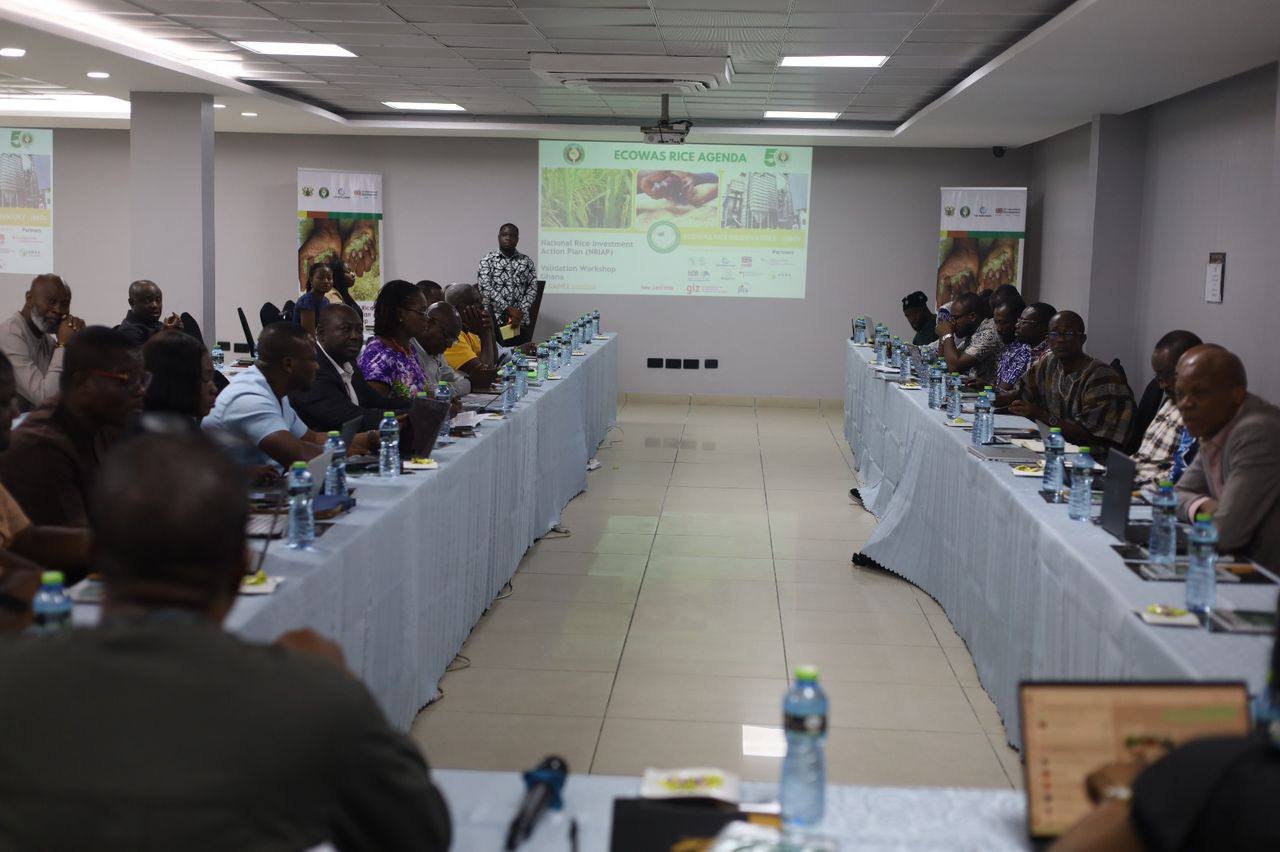
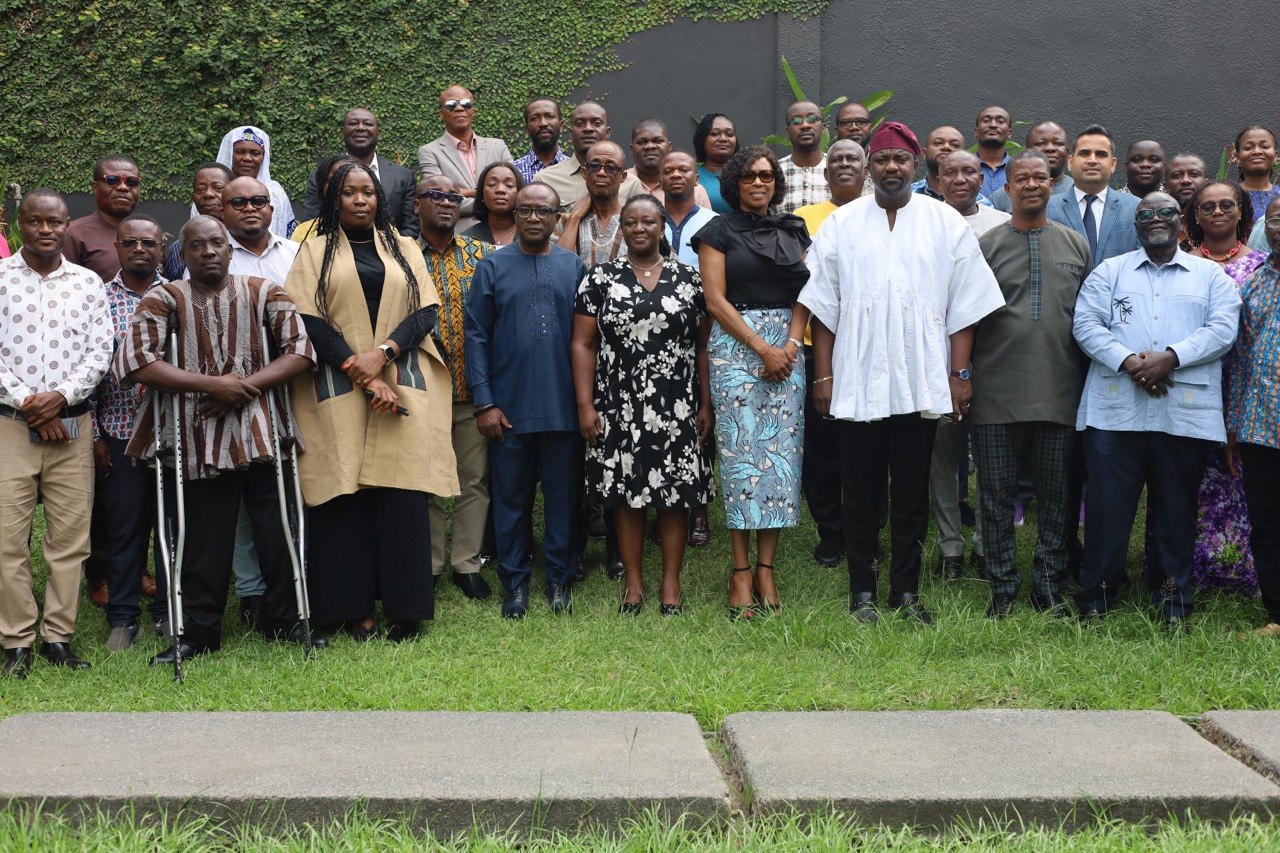
Hon John Dumelo, Deputy Minister for Food and Agriculture (MoFA) at the Validation
Workshop of the National Rice Investment Action Plan (NRIAP) in Accra. The
exercise, which was chaired by Deputy Minister, was held with a view to securing
multi-stakeholder ownership of the NRIAP.
Grinding
Machinery
The
National Rice Investment Action Plan spells
out critical interventions across the rice value chain, including: seed
systems, irrigation development, mechanisation, research and varietal
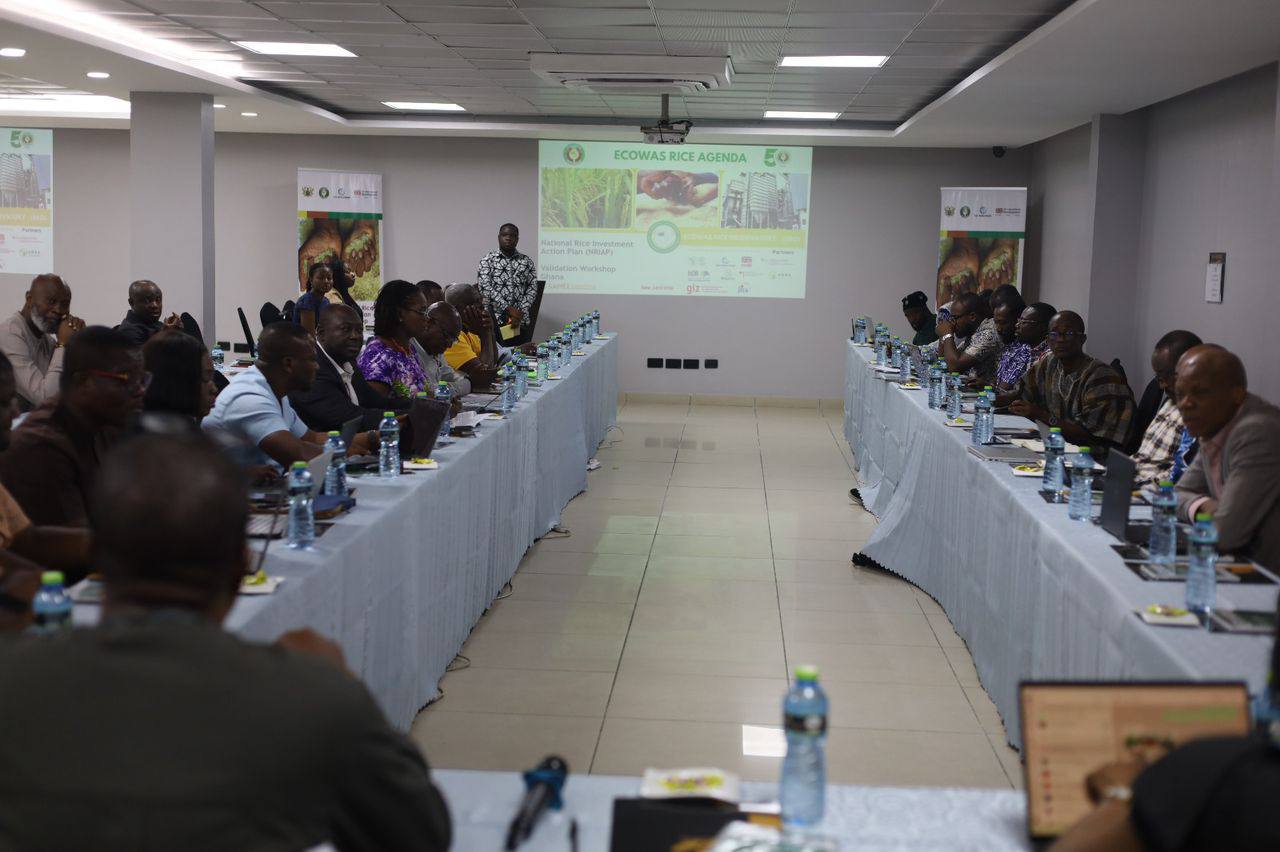
development, milling and quality upgrading, and inclusive financing. This validation
exercise therefore ensembled representatives across government, private sector,
development partners, research institutions, and farmer organisations, to evaluate
its realistic viability for implementation. Among the issues reviewed by the
team for validation were: fertiliser marketing, distribution and usage, seed
system; research, technology development and transfer; harvesting, post-harvest
and marketing; community mobilisation, farmer-based organisations and credit
management; equipment access and maintenance; irrigation and water control.
Grain Drain
Mr.
Harry Bleppony, Deputy Director of the Crops Services Directorate, MoFA,
explained that over the years, Ghana has made measurable progress in expanding
rice production areas, promoting improved seed varieties, strengthening
extension delivery, and encouraging private sector participation in milling and
marketing. However, persistent gaps remain across irrigation development, input
accessibility, post-harvest management, quality standards, and structured
marketing systems. The
NRIAP, he said, has been developed to respond directly to these gaps.
‘sTeam’
Work
A
warmly interwoven teamwork exists directly from the regional through to the national
levels. At the regional level, the Economic Community of West African States
(ECOWAS) has adopted and ratified a Regional Rice Roadmap (2025–2035), aimed at
accelerating rice self-sufficiency across member states. In line with this, as
with other participating country, Ghana on its part developed a National Rice
Investment Action Plan (NRIAP) to align national priorities with the Regional
Rice Roadmap and translate strategic objectives into costed, time-bound, and
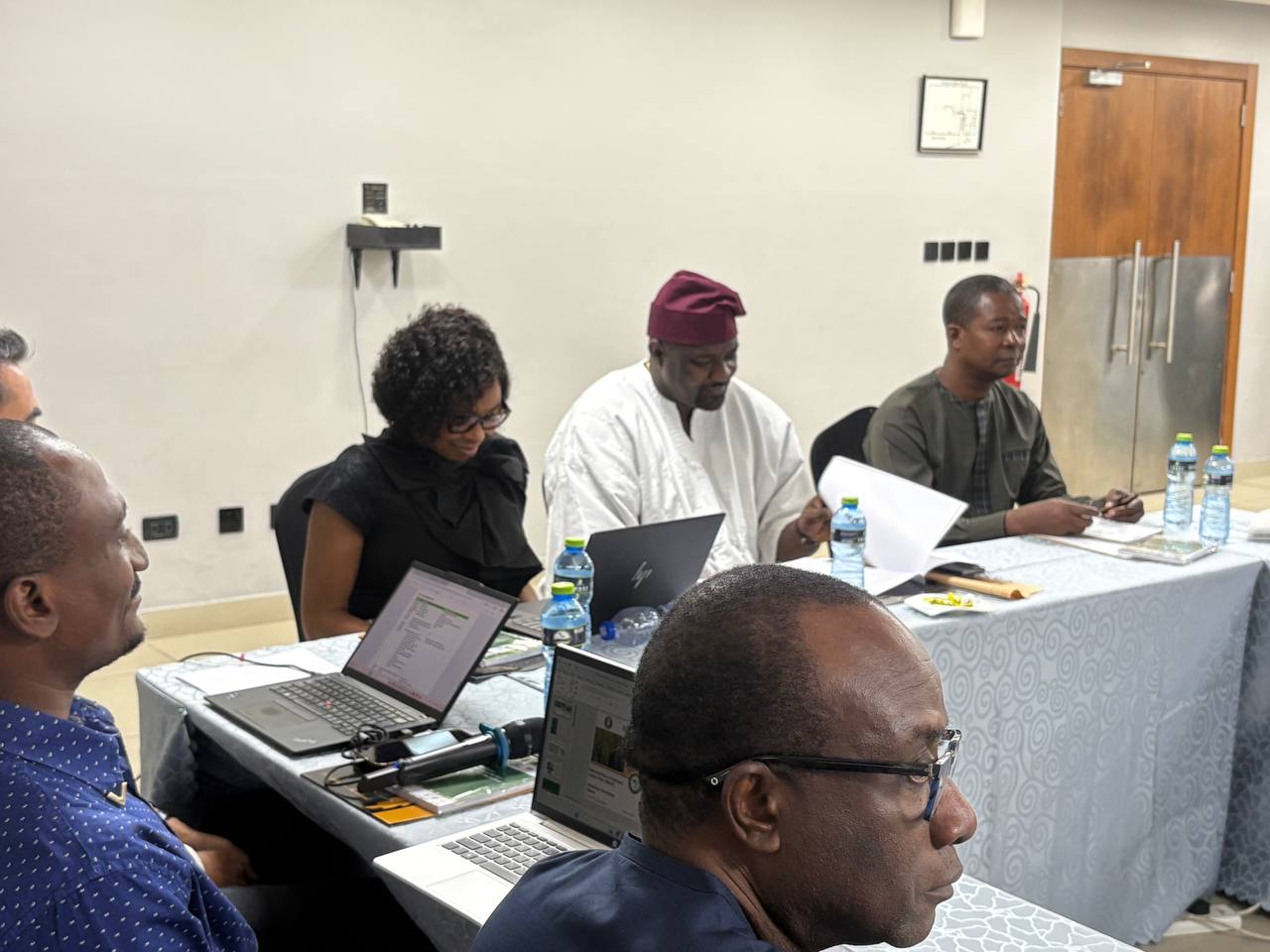
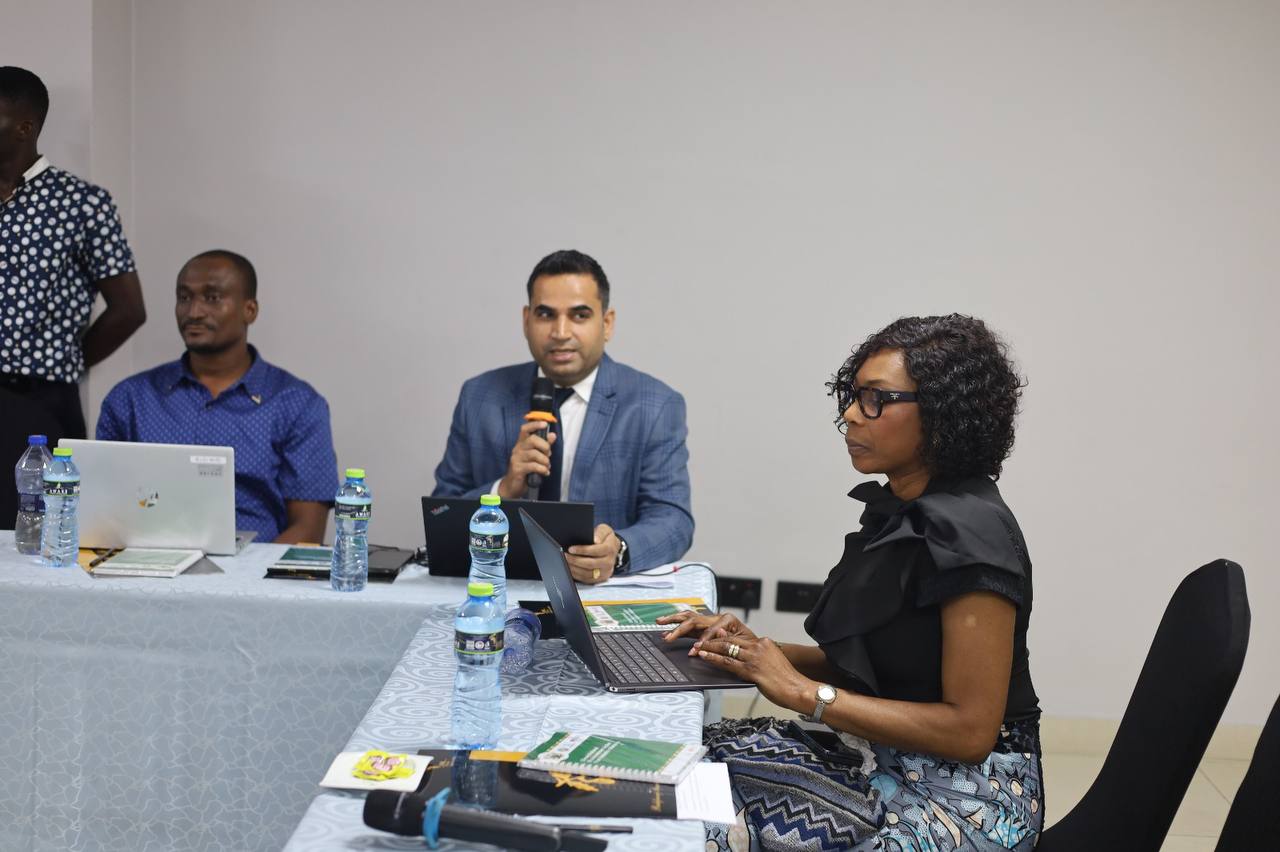
investment-ready actions. In her overview of the regional implementation roadmap,
Boladale
Oluyomi Abiola Adebowale Head of the ECOWAS Rice Observatory (ERO), projected
that all the firm commitments by partners would be consolidated by the end of
this year.
More
Grist!
Stressing
the need for coordinated regional and national action, Suril Dahiya Senior Program
Officer of
the Alliance for a Green
Revolution in Africa (AGRA) stressed that, “Rice is certainly a
strategic commodity and food crop in Africa and particularly West Africa. The
continued dependence on imports exposes our economies to global volatility and
drains our foreign exchange resources.
Strengthening domestic rice systems is therefore essential for food
security, economic resilience and rural employment.” In a call for coordinated
and sequenced investments across public and private sectors, Dahiya prompted
the team that it is one thing to have good plans, well documented in very nice
folders; and another, to implement them on the ground.”
Leave a comment
Comments (0)
No comments yet. Be the first to comment!